
Ryft
Ryft
Ryft
The Data Lake for AI Agents

Product Design
Design System
Prototyping
Illustration Language
Custom Icons
Overview
Ryft helps data teams automate and optimize their Apache Iceberg lakehouse, reducing manual maintenance while improving performance, reliability, and cost efficiency.
Ryft helps data teams automate and optimize their Apache Iceberg lakehouse, reducing manual maintenance while improving performance, reliability, and cost efficiency.
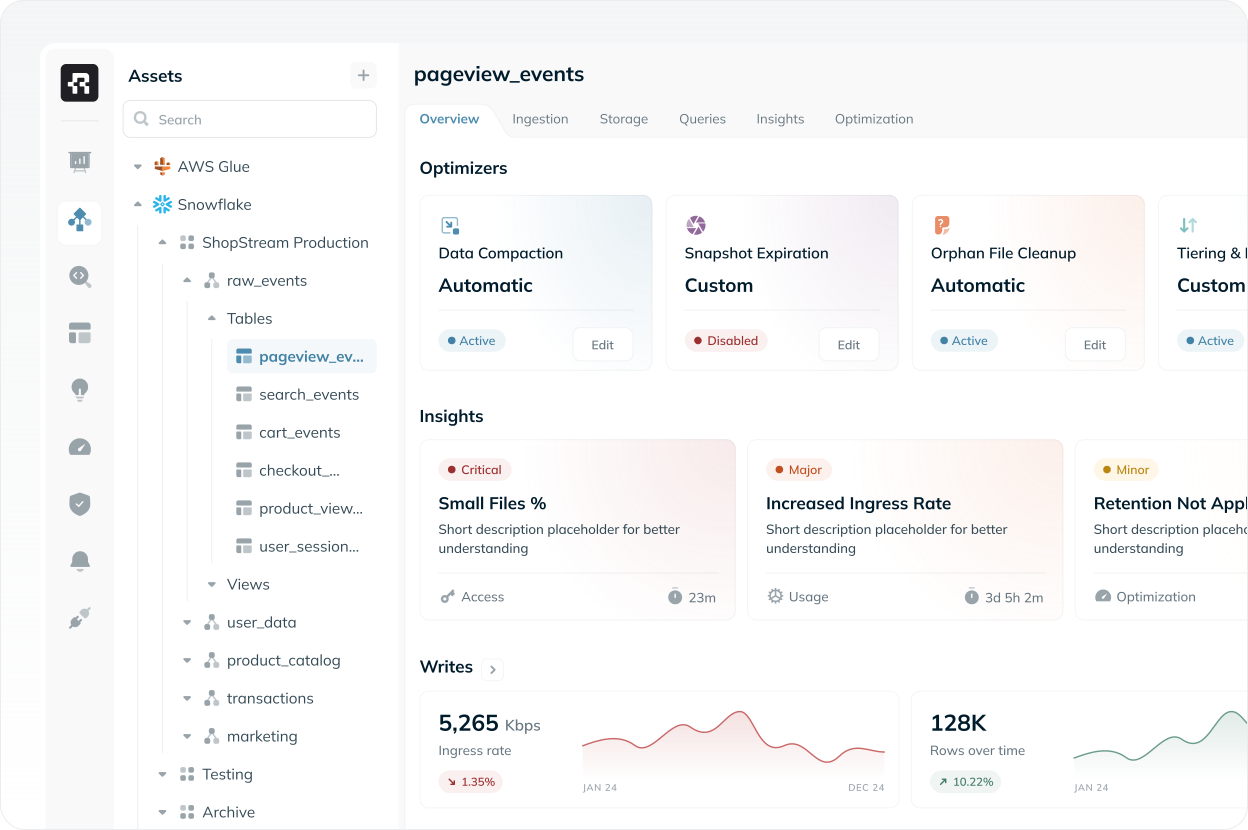
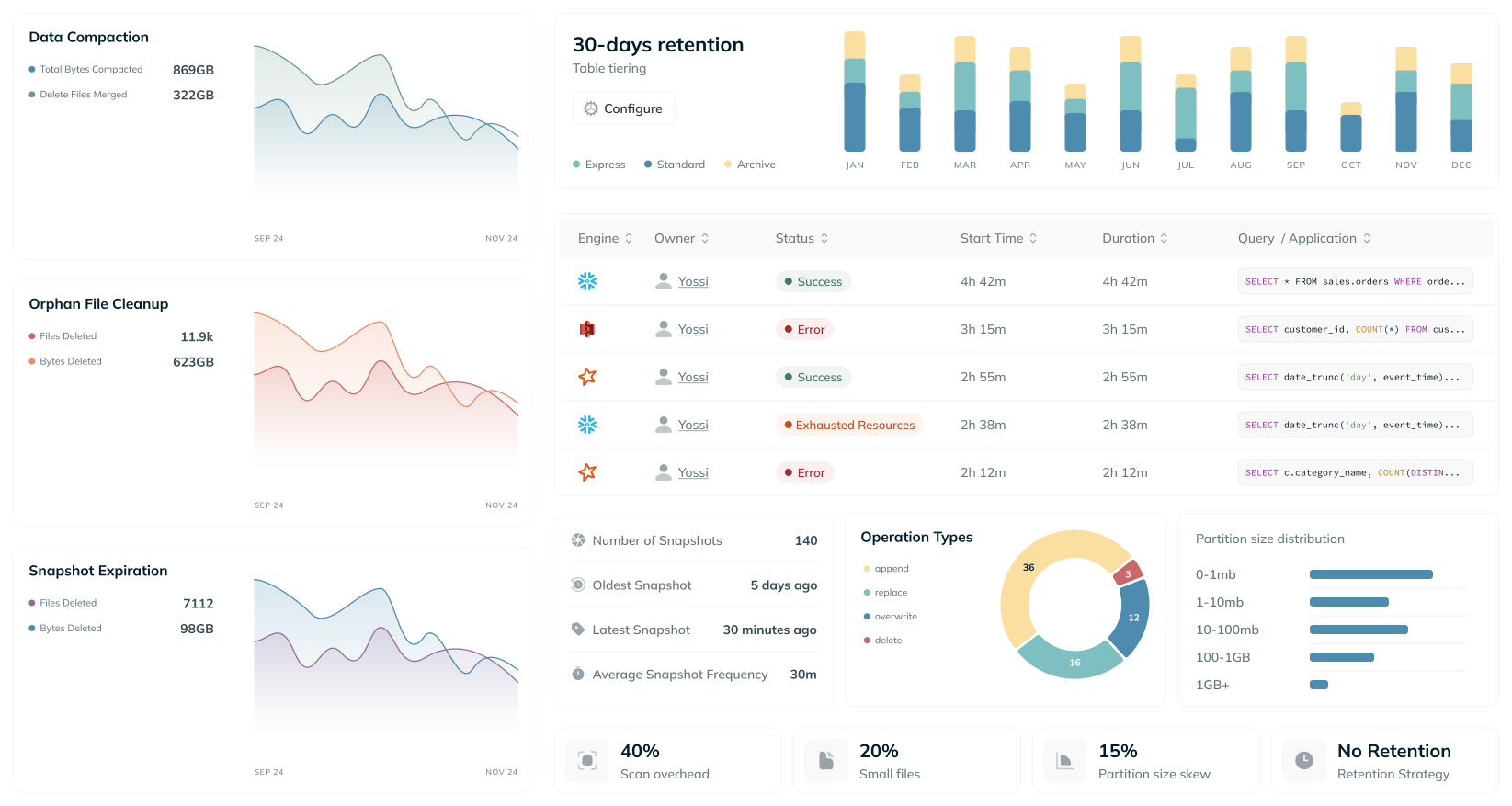
Superfine partnered with Ryft from an early stage to define the product experience from the ground up. We helped translate a deeply technical infrastructure product into a clear, usable interface: starting with UX strategy and wireframes, then moving into high-fidelity design with a unique illustration language, prototypes, and a flexible design system that could support the product as it evolved. We helped shape the core experience of the platform and turn a complex technical product into a clear, usable system.
Superfine partnered with Ryft from an early stage to define the product experience from the ground up. We helped translate a deeply technical infrastructure product into a clear, usable interface: starting with UX strategy and wireframes, then moving into high-fidelity design with a unique illustration language, prototypes, and a flexible design system that could support the product as it evolved. We helped shape the core experience of the platform and turn a complex technical product into a clear, usable system.
the process
Designing the UX foundation
Designing the UX foundation
Designing the UX foundation
1
1
Understanding the product logic
Understanding the product logic
Understanding the product logic
We started by learning the technical world behind Ryft: Iceberg tables, optimization, maintenance, usage patterns, compliance, and lakehouse operations. The goal was to understand not only what the product does, but how users think, what they need to monitor, and where the experience could make complex infrastructure feel more manageable.
We started by learning the technical world behind Ryft: Iceberg tables, optimization, maintenance, usage patterns, compliance, and lakehouse operations. The goal was to understand not only what the product does, but how users think, what they need to monitor, and where the experience could make complex infrastructure feel more manageable.
2
2
Building the UX from scratch
Building the UX from scratch
Building the UX from scratch
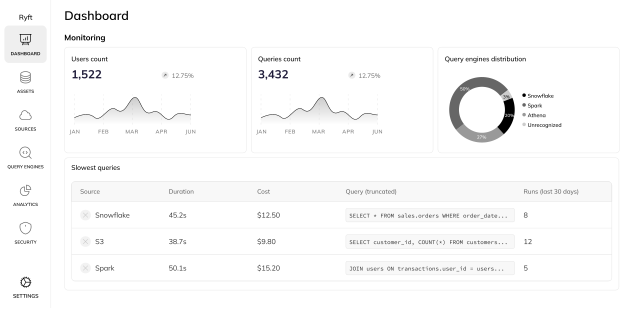
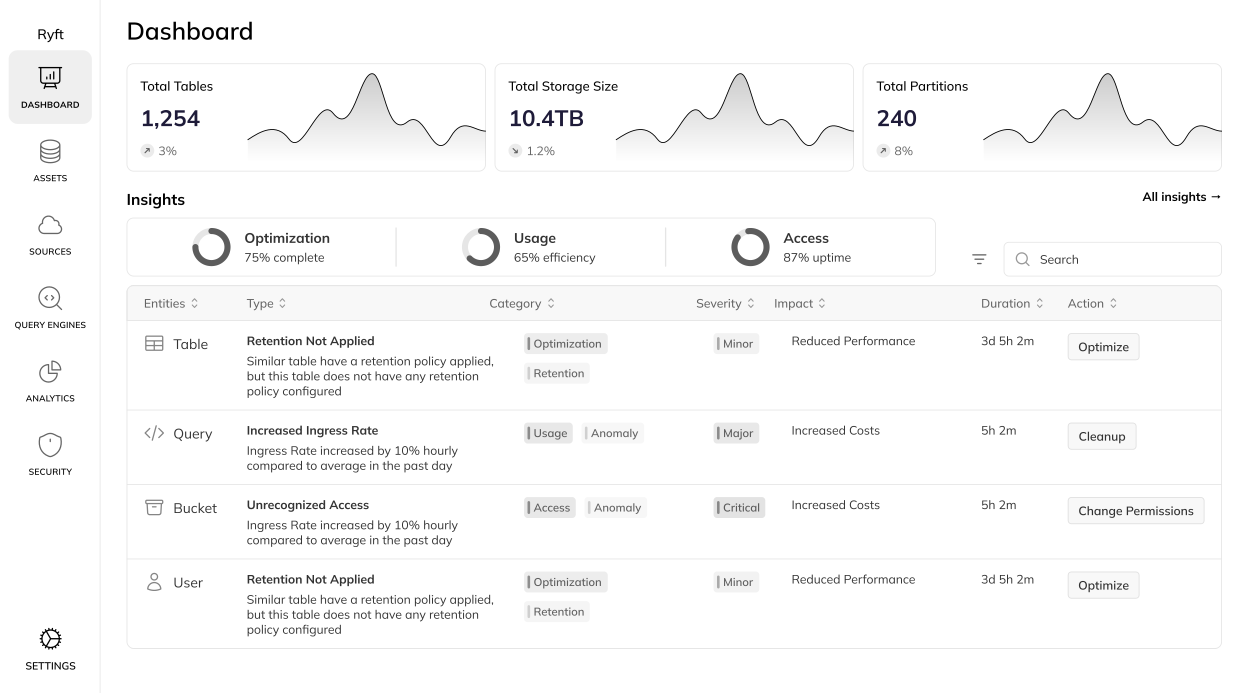
With no existing product structure to rely on, we mapped the main workflows, information hierarchy, and user journeys from the ground up. We created wireframes that helped the team explore how users would move through the platform, understand system behavior, and take action with confidence.
With no existing product structure to rely on, we mapped the main workflows, information hierarchy, and user journeys from the ground up. We created wireframes that helped the team explore how users would move through the platform, understand system behavior, and take action with confidence.



3
3
Exploring, prototyping, and testing
Exploring, prototyping, and testing
Exploring, prototyping, and testing
The process included a lot of product brainstorms and quick iterations. We tried different directions, turned ideas into prototypes, and used feedback from users and the Ryft team to understand what was clear, what was missing, and what needed to change.
We started by building the UX foundations - creating wireframes to shape the core user flows and define the overall experience. This phase helped us simplify complex steps and ensure the journey feels intuitive from start to finish.
We started by building the UX foundations - creating wireframes to shape the core user flows and define the overall experience. This phase helped us simplify complex steps and ensure the journey feels intuitive from start to finish.
We started by building the UX foundations - creating wireframes to shape the core user flows and
define the overall experience. This phase helped us simplify complex steps and ensure the journey
feels intuitive from start to finish.



4
4
Turning complexity into a usable product
Turning complexity into a usable product
Turning complexity into a usable product
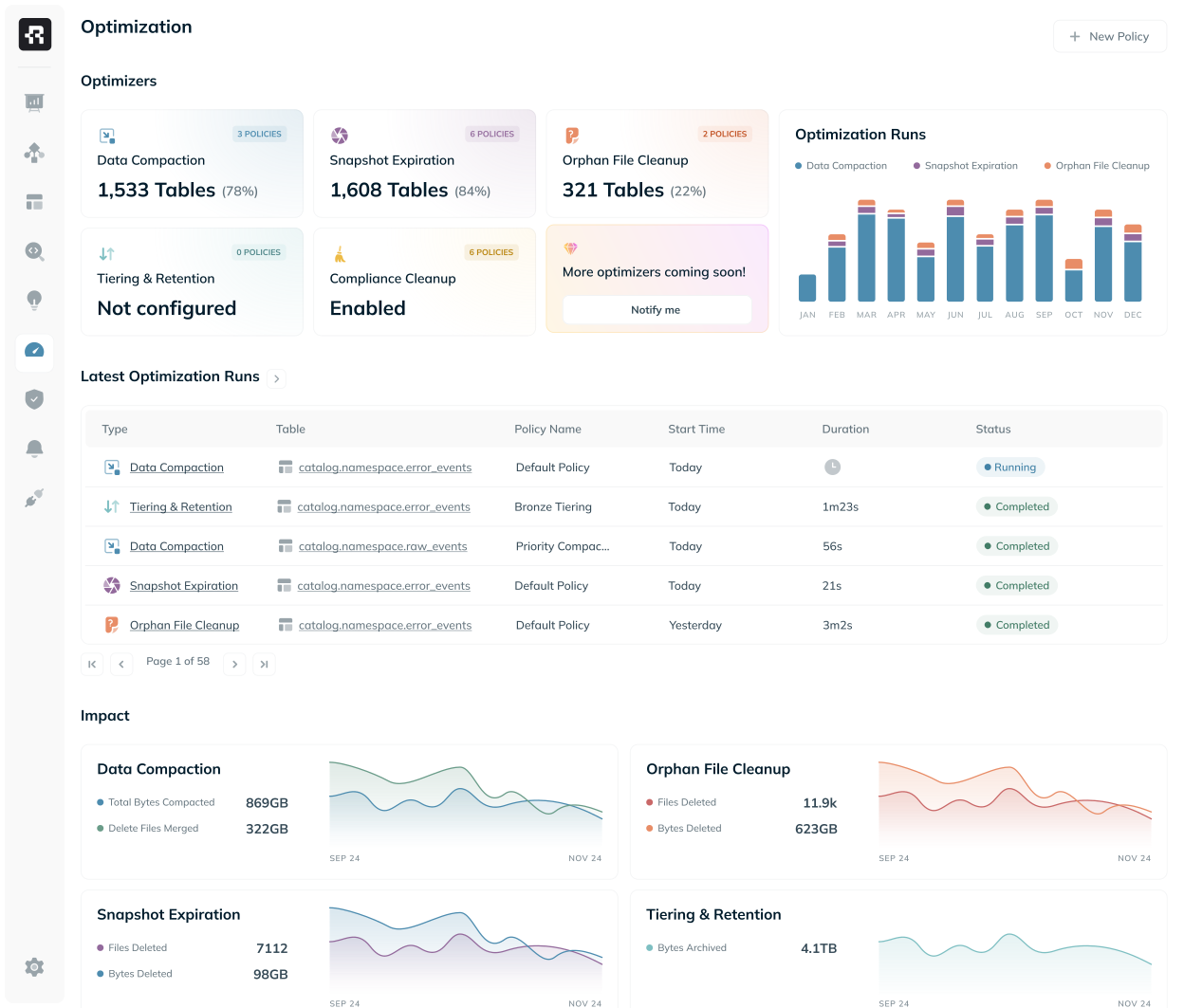
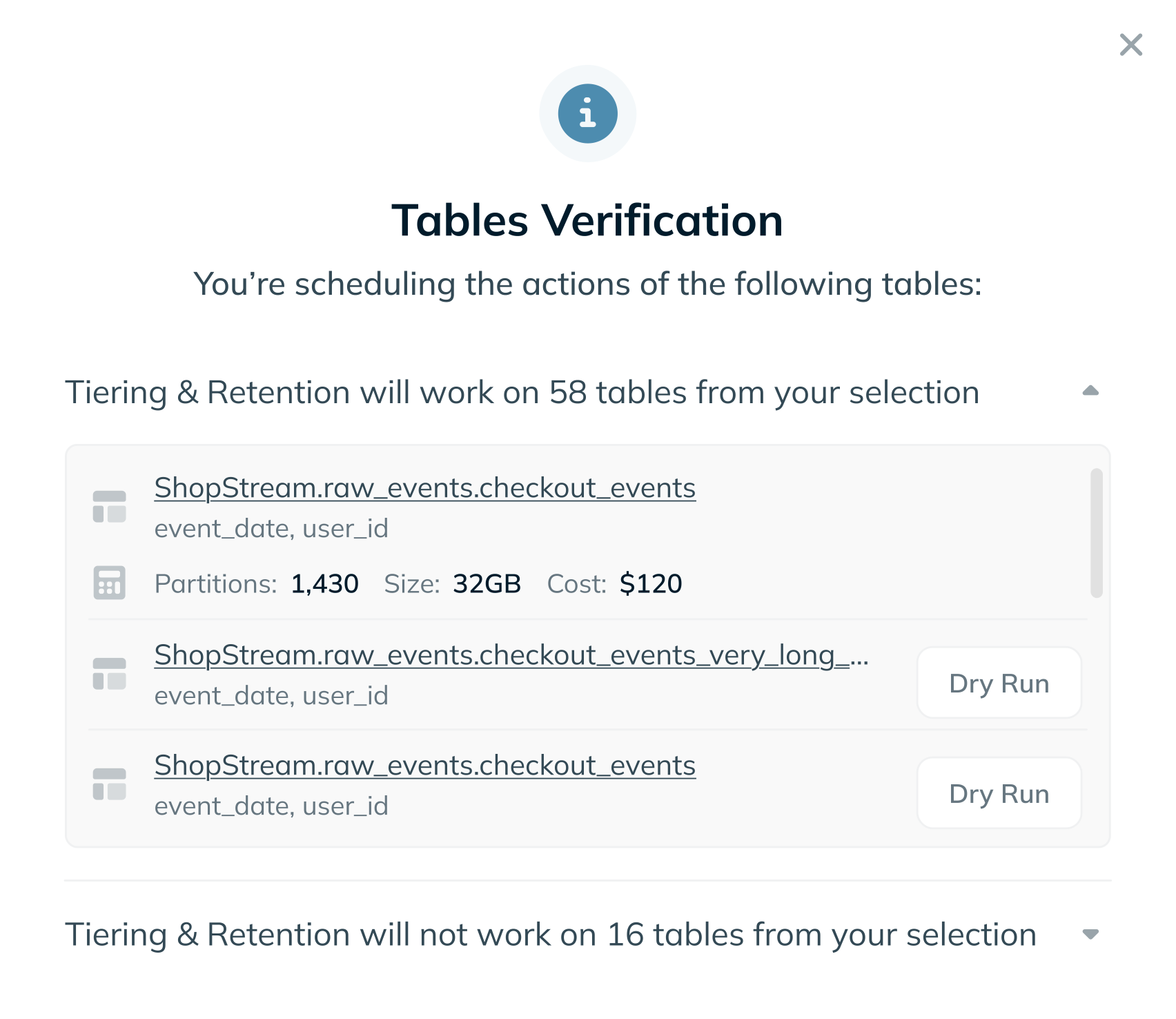
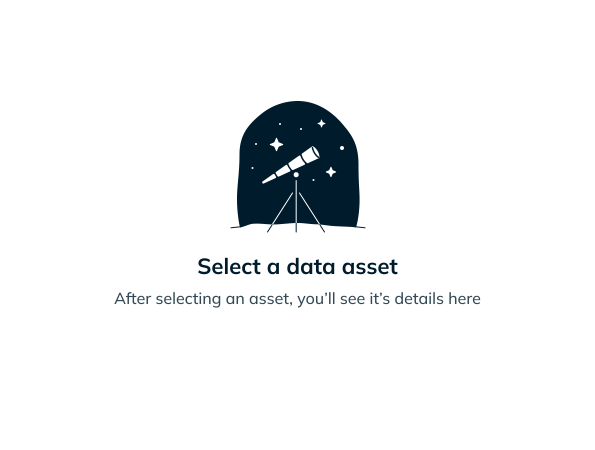
After validating the main UX direction, we moved into high-fidelity design and refined the product experience in detail. Alongside the interface, we created a design system to keep the product consistent, scalable, and easier to build on over time. We also developed a custom visual language, including unique icons and illustrations, to make the platform feel more cohesive, clear, and distinctive. The final work gave Ryft a complete UX foundation: clear flows, thoughtful interactions, reusable components, and a product interface built to support a complex technical platform in a way that feels structured and usable.
We started by building the UX foundations - creating wireframes to shape the core user flows and define the overall experience. This phase helped us simplify complex steps and ensure the journey feels intuitive from start to finish.
We started by building the UX foundations - creating wireframes to shape the core user flows and define the overall experience. This phase helped us simplify complex steps and ensure the journey feels intuitive from start to finish.
We started by building the UX foundations - creating wireframes to shape the core user flows and
define the overall experience. This phase helped us simplify complex steps and ensure the journey
feels intuitive from start to finish.